
Laser Hair Removal: 7 Myths Indian Clients Still Believe (vs the Facts)
Does laser darken skin? Work in one sitting? Cause cancer? A Dwarka clinic separates the myths from the facts about laser hair removal on Indian skin.

Half the people who walk into our Dwarka clinic asking about laser have already been scared by something they heard — from a cousin, a salon aunty, or a WhatsApp forward. Some of those fears were true for the technology of 2010. Almost none are true today. Here are the seven myths we hear most, and what’s actually the case.
Myth 1: “One sitting and the hair is gone forever”
Fact: Laser works only on hair in its active growth phase — and at any moment, just 20–30% of your hair is in that phase. That’s why a proper course is 6–8 sessions spaced weeks apart. Any clinic promising full results in one or two sittings is selling you a story. What you can expect after a full course: a lasting 70–90% reduction, with occasional maintenance.
Myth 2: “Laser darkens the skin”
Fact: The laser targets the pigment in your hair follicle, not your skin. Done at the right settings on a certified machine, skin tone is untouched — and many clients find their underarms look brighter over time, because the darkening caused by constant shaving, waxing and friction finally stops. Where does this myth come from? Cheap machines run wrong, and people skipping sunscreen after sessions. Both avoidable.
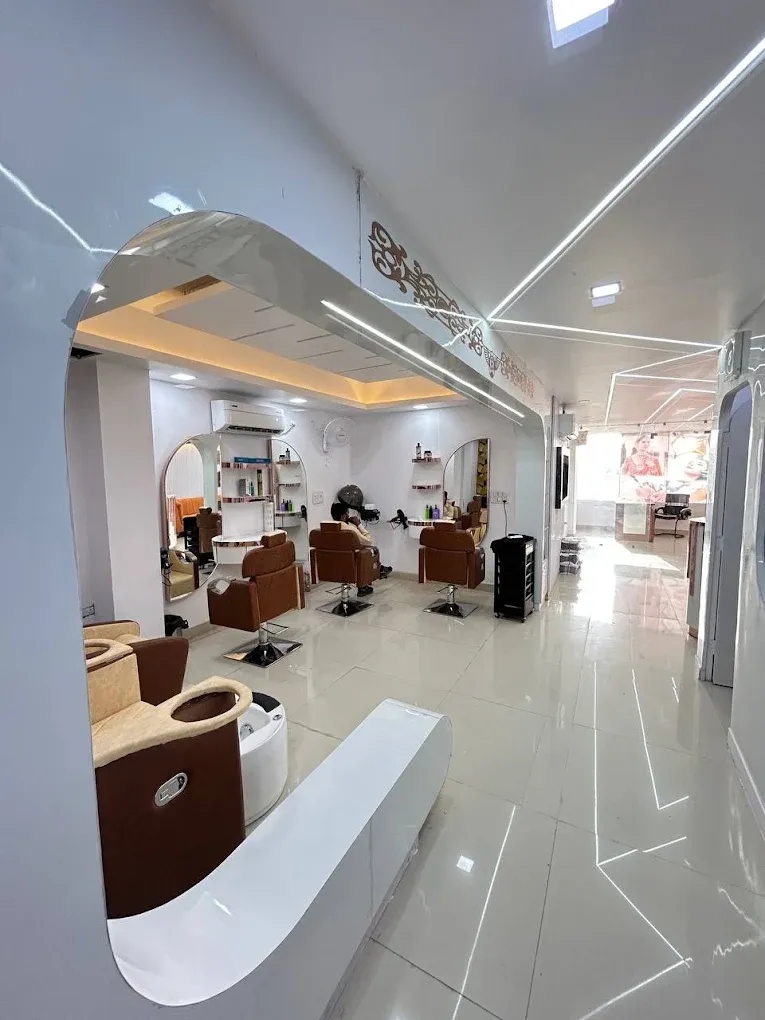
The device decides the outcome — a certified platform calibrated for Indian skin, not a grey-market import.
Myth 3: “Laser doesn’t work on dark Indian skin”
Fact: This was true of early-generation lasers, and the myth outlived the technology. Modern platforms with true Nd:YAG capability treat deeper Indian skin tones safely — the wavelength passes the skin’s melanin and targets the follicle. The real requirement is a clinic that owns the right device and patch-tests you first. That’s the question to ask, not whether your skin is “too dark.”
Myth 4: “It causes cancer”
Fact: The light used in laser hair removal is non-ionizing — physically incapable of damaging DNA the way UV rays or X-rays can. It converts to heat inside the follicle, a few millimetres deep, and stops there. There is no evidence connecting laser hair removal to cancer. Of all the myths on this list, this one costs people the most years of unnecessary threading.
Myth 5: “It’s unbearably painful”
Fact: Most clients describe it as a warm rubber-band snap, mildest on legs and arms, sharpest on the upper lip — and over in seconds per area. Modern machines cool the skin as they fire. Honest caveat: pain tolerance varies, and the first session usually feels the strongest because the hair is coarsest. It gets easier every session as the hair thins.
Myth 6: “Shaving between sessions ruins the result”
Fact: Shaving is actually the only hair removal you should do between sessions — it leaves the follicle intact for the laser to target. What genuinely ruins results is waxing, plucking or threading between sessions, because they rip out the very root the laser needs to find. This one surprises almost everyone.
Myth 7: “The cheap ₹499 laser is the same machine anyway”
Fact: A certified medical laser costs ₹15–40 lakhs; the machines behind ₹499 offers cost a fraction and are usually run at underpowered settings so they feel painless — and don’t disable the follicle. You pay less per sitting and forever keep sitting. For what it costs to redo a failed cheap course, a proper course would have been done and finished.
Quick reference
| You heard | The reality |
|---|---|
| One sitting is enough | 6–8 sessions; hair grows in phases |
| Darkens skin | Targets hair pigment, not skin |
| Not for dark skin | Safe with Nd:YAG-capable devices |
| Causes cancer | Non-ionizing light; no evidence of such risk |
| Extremely painful | Warm snap; cooled skin; seconds per area |
| Don’t shave between sessions | Shaving is fine — waxing is what hurts results |
Key takeaway: Almost every laser myth traces back to old technology or cheap machines. On a certified platform with a patch test and correct settings for Indian skin, laser is a safe, predictable, well-understood treatment — and the myths are costing you money on razors.
Ask us the awkward questions
We’re Brightonic, in Sector 8, Dwarka — a short drive from Palam, Janakpuri, Uttam Nagar and Najafgarh, near the Sector 9 Metro. Bring us every myth you’ve heard; we enjoy these conversations, and we’d rather you walk in informed. Laser starts from ₹1,500 per session, with a patch test first, always.
WhatsApp +91 74007 60054 or book a consultation. More detail: laser hair reduction at Brightonic.
Quick answers
- Does laser hair removal darken the skin?
- No — done correctly, it's the opposite. The laser targets melanin in the hair follicle, not the surrounding skin. Darkening happens only with wrong settings, uncertified machines, or skipping sunscreen afterwards. Many clients actually see brighter underarms because the shaving-and-waxing irritation stops.
- Is laser hair removal safe for dark Indian skin?
- Yes, on the right device. Deeper Indian skin tones need a laser with proper Nd:YAG capability and settings calibrated for higher melanin, plus a patch test before the first session. Early-generation lasers struggled with darker skin — modern certified platforms handle it safely.
- Can laser hair removal cause cancer?
- There is no evidence linking laser hair removal to cancer. The light used is non-ionizing — it doesn't have the energy to damage DNA the way UV or X-rays can. It converts to heat inside the hair follicle and goes no deeper. This is one of the most persistent and least founded myths we hear.
This article is general information from the Brightonic team and is not a substitute for personal medical advice. Suitability and outcomes are assessed individually at consultation.
Considering a treatment?
Book a calm, no-pressure consultation at our Sector 8, Dwarka centre.
Book a Consultation →