
Q-Switch Laser for Pigmentation in Dwarka: What Results Are Realistic
Q-Switch laser for pigmentation in Dwarka — how many sessions, what it costs from ₹4,000, what it clears and what it honestly won't.
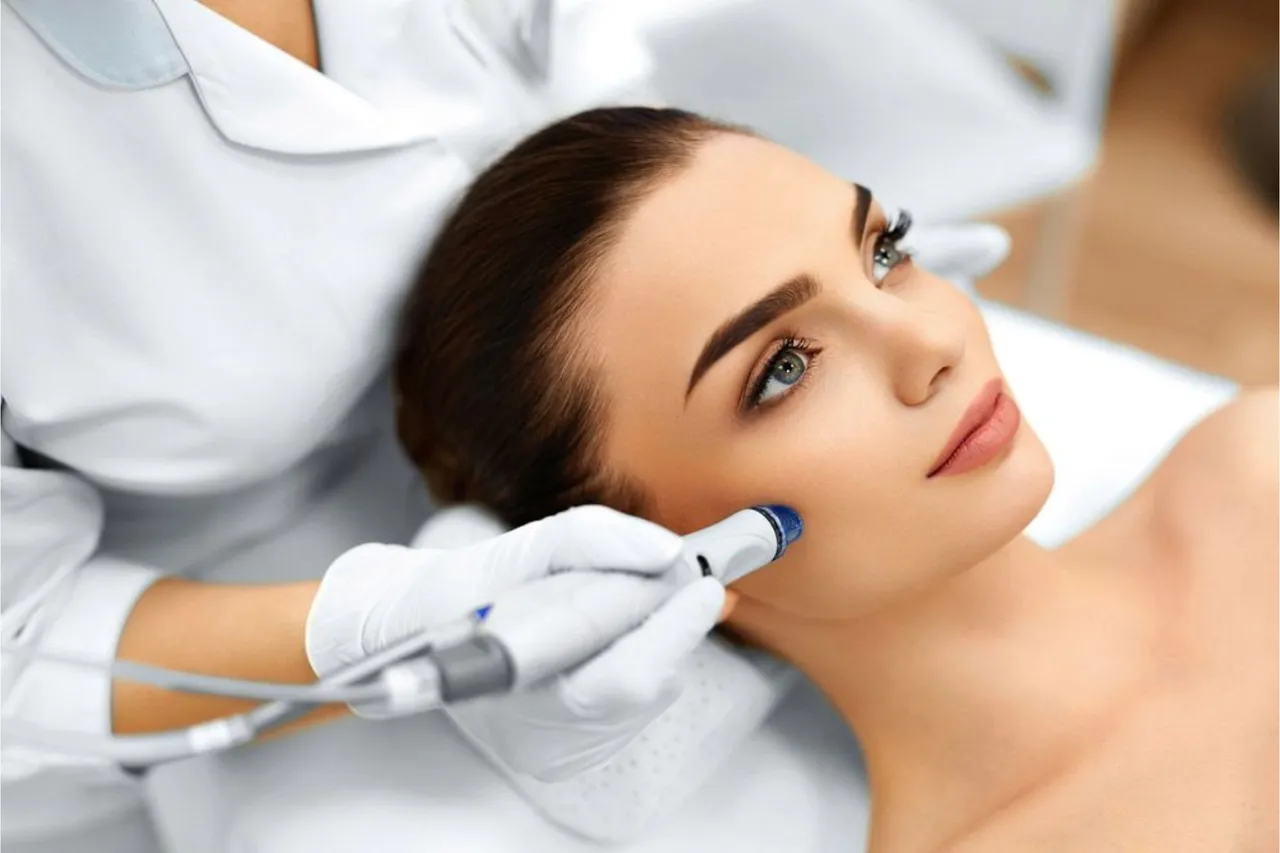
Four to six sessions, three to four weeks apart, from ₹4,000 a session. That’s the honest shape of a Q-Switch course for pigmentation, and it’s usually the answer people want before they book anything.
Here’s what’s happening in that time. A Q-Switch laser fires pulses measured in billionths of a second — fast enough to shatter a clump of melanin into fragments without cooking the skin around it. Your own system then carries those fragments away over the following weeks. That slow clearing is why the change shows up between sessions rather than on the treatment bed.
It handles sun spots, freckles, flat post-acne marks and tattoo ink well. It does not fix texture, and on its own it is not the answer for melasma. Both halves of that matter.
What a session actually feels like
Twenty to forty minutes, door to door, depending on the area.
The skin is cleansed, you’re given eye shields, and the handpiece passes over the treated zone. The sensation is a series of quick, hot little snaps — most clients compare it to oil spitting from a pan, or a thin rubber band flicked against the cheek. Individual dark spots may go momentarily pale grey as the pigment breaks up. That’s expected and it settles within minutes.
Afterwards, cooling gel and sunscreen. You’ll leave slightly pink, a bit like mild windburn, and for most people that fades within a few hours. Makeup the next morning is usually fine. This is why it’s one of the treatments Dwarka clients book on a lunch break rather than taking a day off for.

Short pulses, eye shields, cooling gel afterwards — most people are back at their desk the same afternoon.
What it clears well, and what it doesn’t
The table we end up drawing on paper at most consultations.
| Concern | Typical sessions | Realistic outcome |
|---|---|---|
| Sun spots and age spots | 3–5 | Usually the fastest responders — spots darken, flake, then fade |
| Freckles | 3–5 | Lighten noticeably, but return with unprotected sun exposure |
| Flat brown or grey post-acne marks | 4–6 | Substantial fading across three to five months |
| Overall dullness and uneven tone | 4–6 | Brighter, more even skin that needs periodic maintenance |
| Tattoo ink | 6–12+ | Gradual lightening; ink colour, depth and age decide how far it goes |
| Melasma | Assessed case by case | Partial, only inside a combined plan, and prone to rebound |
| Depressed acne scars, open pores | Not the right tool | Texture is structural — needs resurfacing, not pigment laser |
Read the last row twice. Q-Switch works on colour. If your complaint is a dip you can feel with a fingertip, no amount of pigment laser will lift it, and a clinic that sells you six sessions for that is selling you the wrong thing. We cover that split in detail in our acne scars guide.
The melasma exception
We turn down more melasma laser requests than we accept, and it’s worth explaining why.
Melasma isn’t just pigment sitting in the skin. It’s pigment being actively re-made, driven by hormones, heat and light. Break it up with laser and the cells producing it are still there, still switched on. Two or three weeks of looking clearer, then a rebound that can land darker than the starting point. We see that pattern arrive from other clinics regularly.
Where Q-Switch does have a role in melasma, it’s at conservative settings, as one part of a plan that also includes a supervised topical routine and genuinely disciplined sun protection. Managed, not removed. Our pigmentation and melasma guide goes deeper into that distinction.
Why the settings matter more on Indian skin
Melanin-rich skin absorbs laser energy more readily. That’s the whole risk in one sentence.
Push the energy too high on Indian or South Asian skin and you can trigger post-inflammatory hyperpigmentation — new dark marks caused by the treatment meant to remove dark marks. That’s a judgement problem, not a device problem.
So the protocol is deliberately unexciting. A patch test first. Conservative energy on session one, adjusted from how your skin actually responded rather than from a chart. Three to four weeks between sessions so the skin fully settles. All of it done by trained professionals under clinical protocols on internationally certified devices. Q-Switch treatment details are here.

Every course starts with a patch test and a settings decision, not a package.
What it costs
Q-Switch de-pigmentation starts from ₹4,000 a session at our Sector 8 clinic. Coin-sized tattoo lightening starts from ₹2,500 a session, though tattoos are quoted individually because size and ink colour change everything.
A pigmentation course is typically four to six of those sessions, planned after assessment. We don’t quote a package before seeing the skin, because the honest session count for freckles and the honest session count for years of layered sun damage aren’t the same number.
If your main complaint is congestion and dullness rather than defined pigment, a HydraFacial from ₹4,500 is often the better-value starting point. We’d rather say that than sell laser you don’t need.
The timeline, week by week
- Day of session — pink, slightly warm, settles in a few hours.
- Days 2–7 — treated spots often look darker and slightly crusty before flaking off. This is normal and the stage people panic about.
- Weeks 2–3 — the first genuine lightening becomes visible.
- After session three — this is usually when other people start noticing rather than just you.
- Months 3–5 — the full course result, once every treated layer has cleared.
- Ongoing — a maintenance session every few months for most people.
Aftercare, and the part nobody wants to hear
Sunscreen decides how much of this you keep. Full stop.
Freshly treated skin is more reactive to UV, and Delhi’s UV is high through most of the year — it reaches you through the car window on the school run and through the office glass at your desk. Skip SPF and you’re paying for sessions while re-triggering the pigment between them.
For the first week after each session: broad-spectrum SPF 50 every morning and reapplied outdoors, no scrubs or strong actives for three to five days, no steam, sauna or heavy sweating for 48 hours, and don’t pick at flaking spots. That’s the whole list.
Who we tell to wait
- Freshly tanned skin. After a beach trip or a long stretch outdoors, we postpone rather than treat.
- Pregnancy or breastfeeding. Assessed individually, usually deferred.
- Active acne or infection in the treatment area. Settle that first.
- Recent oral acne medication. Needs a gap before laser is appropriate.
- A history of keloid or raised scarring. Assessed carefully before anything is done.
- Anyone expecting one session to finish it. Q-Switch works cumulatively, and one session is a preview, not a result.
Pigmentation also comes back if the sun habits don’t change. That isn’t a failure of the treatment — it’s how melanin works, and any clinic implying otherwise is overselling.
Key takeaway: Q-Switch clears colour, not texture. Plan for 4–6 sessions three to four weeks apart, from ₹4,000 a session, with real change visible from around week two of the second session. Sun spots, freckles and flat post-acne marks respond well; melasma needs a combined plan and can rebound; daily SPF 50 decides how much of the result you keep.
Get your pigmentation assessed in Dwarka
Come with clean skin and no makeup, and you’ll leave knowing which type of pigmentation you have and whether Q-Switch is the right tool for it.
Brightonic is in Sector 8, Dwarka, near the Sector 9 Metro — a short run from Sector 12, Palam, Janakpuri and Uttam Nagar. WhatsApp +91 74007 60054 with a well-lit, no-makeup photo and we’ll give you a straight first opinion before you spend anything. Book a consultation. Open 7 days, 10 AM–8 PM.
Quick answers
- How many Q-Switch laser sessions are needed for pigmentation?
- Most pigmentation concerns need 4 to 6 Q-Switch sessions spaced three to four weeks apart, so a full course runs across three to five months. Sun spots and freckles often lift faster, while deeper or hormonal pigmentation takes longer and needs maintenance. Your session count is confirmed after a skin assessment, not promised upfront.
- How much does Q-Switch laser treatment for pigmentation cost?
- Q-Switch de-pigmentation at Brightonic in Sector 8, Dwarka starts from ₹4,000 a session, and coin-sized tattoo lightening starts from ₹2,500. A typical pigmentation course of four to six sessions is planned after assessment, so the total depends on the area treated and how your skin responds. Final pricing and any running offers are confirmed at consultation.
- Does Q-Switch laser work for melasma?
- Q-Switch can help melasma, but on its own it rarely holds. Melasma is hormone and heat driven, so it tends to rebound if laser is used aggressively or without a supporting topical routine and daily sunscreen. Where it suits, gentle settings form one part of a combined plan aimed at managing melasma rather than removing it.
This article is general information from the Brightonic team and is not a substitute for personal medical advice. Suitability and outcomes are assessed individually at consultation.
Considering a treatment?
Book a calm, no-pressure consultation at our Sector 8, Dwarka centre.
Related treatment: Laser hair reduction in Dwarka